Why Older Minnesota Homes Should Test for Asbestos Before a Fall Renovation
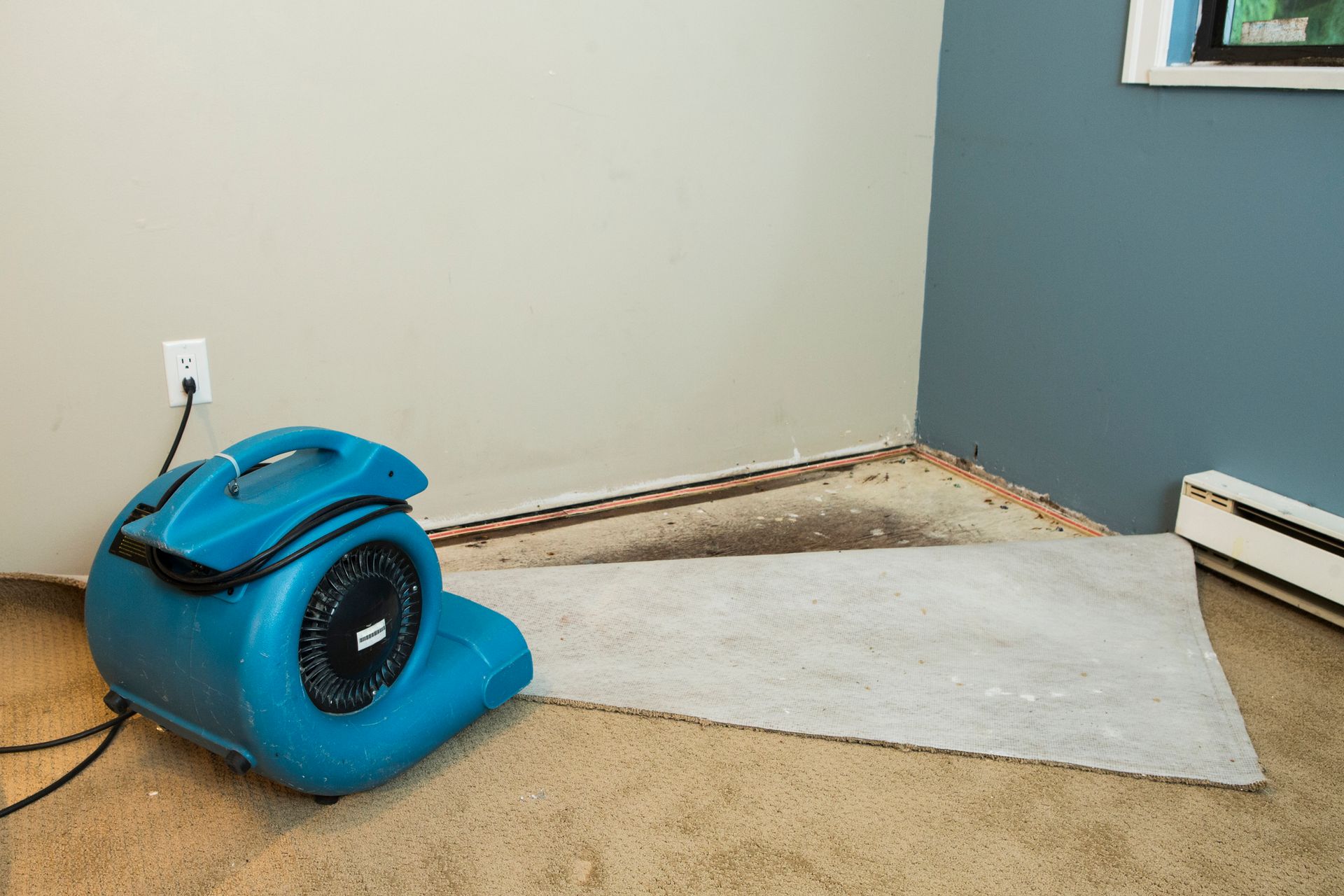
Fall can be an ideal time to tackle home improvement projects in Hudson, Minnesota. The summer heat is fading, winter hasn't arrived yet, and homeowners may be eager to complete renovations before cold weather and the holiday season set in. If you live in an older home, however, there is one important step to consider before you start tearing out flooring, removing walls, replacing ceilings, or beginning other renovation work: asbestos testing.
Asbestos was once used in thousands of building products because of its durability and resistance to heat and chemicals. As a result, it may still be present in many older Minnesota homes. Knowing whether asbestos-containing materials are present before your renovation begins can help you plan the project safely.
Where Could Asbestos Be Hiding?
You can't reliably identify asbestos simply by looking at a building material. Materials that appear perfectly ordinary may contain asbestos, particularly in an older home. Potential asbestos-containing materials can include floor tiles and adhesives, vinyl flooring, ceiling tiles and textures, plaster, drywall joint compound, pipe and duct insulation, furnace components, siding, roofing materials, and other building products.
That doesn't mean every older home contains asbestos or that every suspicious-looking material is dangerous. It does mean homeowners shouldn't assume a material is asbestos-free based on appearance alone. Professional testing is the way to determine whether a suspect material contains asbestos.
Renovation Can Turn Hidden Asbestos Into a Problem
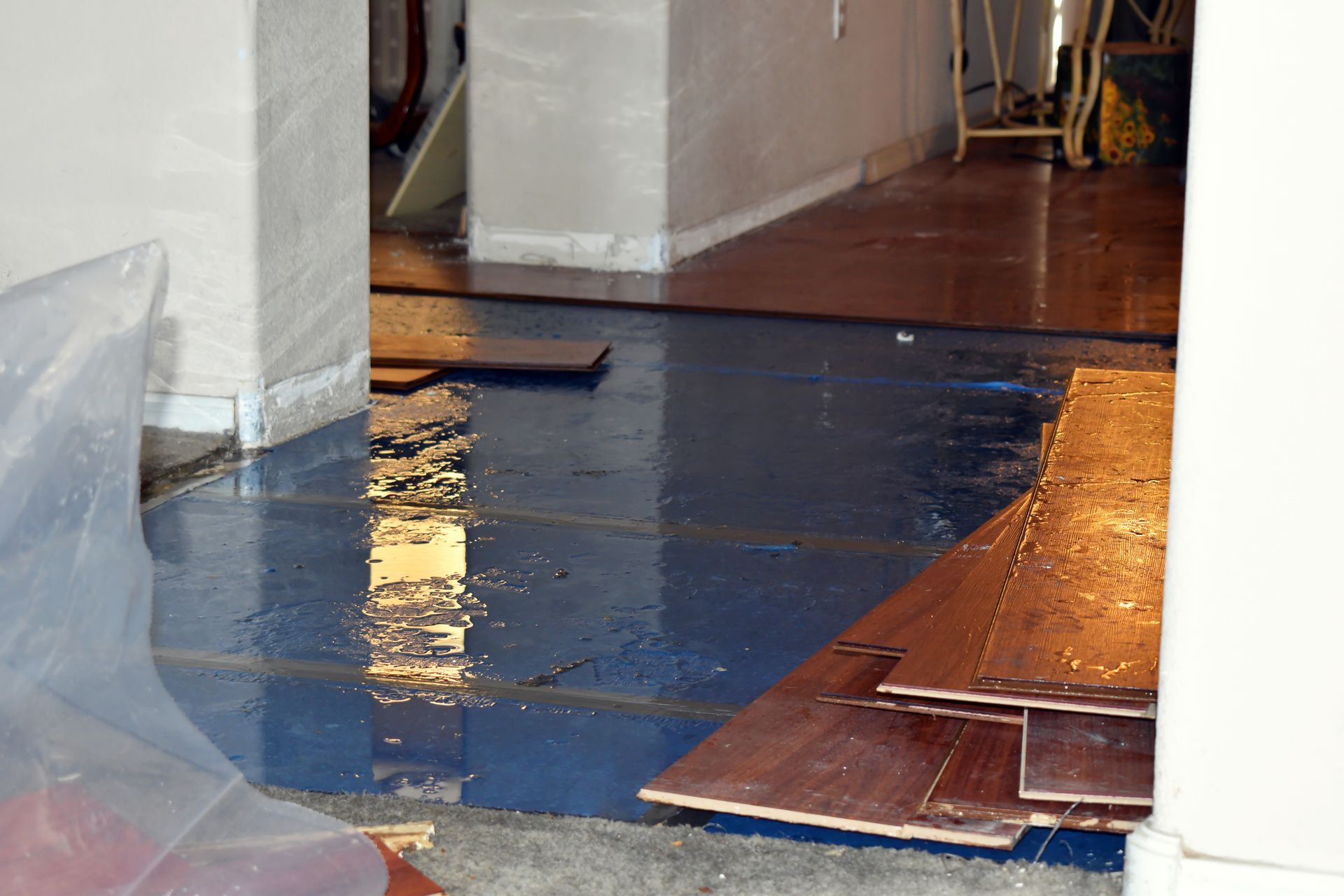
Asbestos-containing material that is intact and left undisturbed may not necessarily need to be removed. Renovation changes the equation because common remodeling activities can disturb materials that have remained untouched for decades. Cutting into walls, sanding surfaces, pulling up old flooring, scraping ceiling texture, drilling, sawing, or removing insulation can potentially release asbestos fibers if those materials contain asbestos.
These microscopic fibers can become airborne and be inhaled. Asbestos exposure has been associated with serious diseases, including asbestosis, lung cancer, and mesothelioma.
Testing before demolition begins lets you know what you're dealing with before potentially disturbing hazardous material.
Testing Helps You Plan the Renovation Properly
Discovering a questionable material halfway through a renovation can bring your project to an unexpected stop. Scheduling asbestos testing in Stillwater, MN, before a renovation can help you make informed decisions before contractors begin opening walls or removing old materials. If testing identifies asbestos, you can determine what needs to happen next and account for any necessary asbestos work in your project's schedule and budget.
If the material does not contain asbestos, you'll have the information you need to move forward without wondering what might be hidden beneath that old floor or above the ceiling. Either way, knowing before the renovation begins is better than discovering a potential problem after demolition is already underway.
Don't Collect Samples Yourself
If you suspect asbestos may be present, resist the temptation to break off a piece of flooring, insulation, ceiling material, or another product and send it away yourself. Improper sampling can disturb asbestos-containing material and potentially release fibers. Instead, sampling should be handled by a properly trained professional who understands how to collect samples safely and where testing may be necessary.
Minnesota also has specific requirements governing asbestos inspections and asbestos-related work, making professional guidance especially important when you're planning a renovation.
Start Your Fall Renovation With the Right Information
Renovating an older Minnesota home can uncover beautiful original features and give outdated spaces new life. It can also reveal building materials that have been hidden for decades. Before you start pulling up floors or opening walls this fall, find out whether asbestos could affect your plans.
TOAD can help homeowners in Stillwater and surrounding communities identify potential environmental hazards before renovation work begins. Professional asbestos testing can give you the information you need to make informed decisions, protect the people working in your home, and plan the next steps appropriately.
Planning a fall remodeling project?
Contact TOAD to learn more about asbestos testing in Stillwater, MN, before a renovation, and make sure you know what's behind those walls, floors, and ceilings before demolition begins.