How Quickly Can Mold Grow After Summer Water Damage in Minnesota?
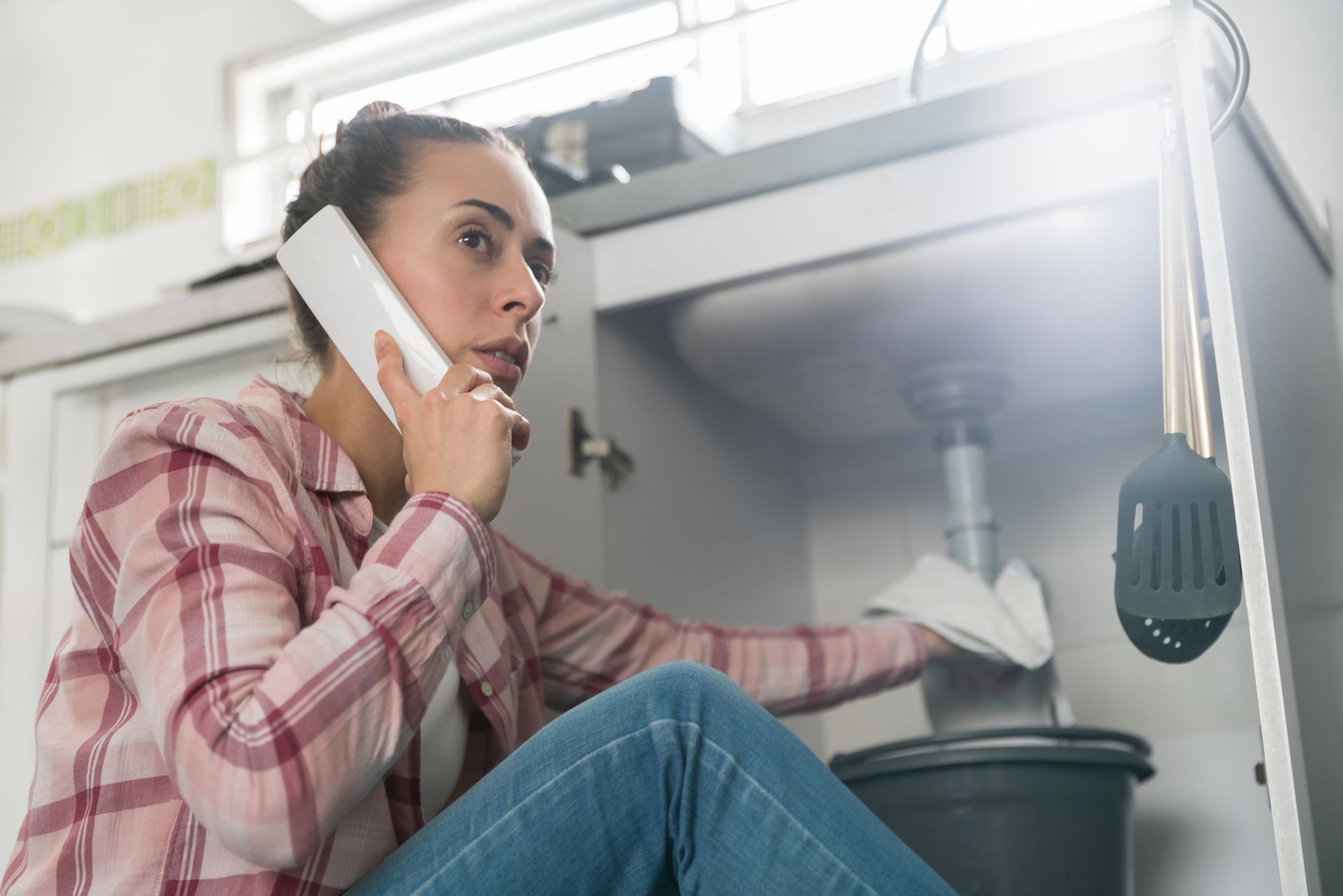
Summer storms can bring a surprising amount of water into a Minnesota home. A heavy downpour may overwhelm a basement, a roof leak can soak drywall and insulation, or water can find its way inside through an unexpected opening. Once the obvious water is gone, it may seem like the emergency is over. Unfortunately, moisture left behind can create another problem: mold.
When you're dealing with mold after water damage in
Stillwater, MN, time matters. The sooner wet areas are properly dried, the better your chances of preventing a relatively manageable water problem from turning into a larger mold remediation project.
The First 24 to 48 Hours Matter
You don't necessarily have days to decide what to do after water enters your home. The Environmental Protection Agency recommends drying water-damaged areas and materials within 24 to 48 hours to help prevent mold growth. That doesn't mean mold automatically appears once the clock reaches 48 hours. It means that the longer materials remain wet, the greater the opportunity for mold to become established.
That's why water damage restoration involves more than removing puddles or using towels to dry a floor. Moisture may remain in drywall, carpeting, insulation, wood, and other building materials even when the surface appears dry.
Summer Conditions Can Make Moisture More Difficult to Manage
Minnesota may be known for its winters, but summer brings its own challenges when you're trying to dry a water-damaged home. Warm temperatures and humid conditions can make it harder for wet materials to dry naturally. A basement affected by stormwater, for example, may remain damp long after standing water has been removed.
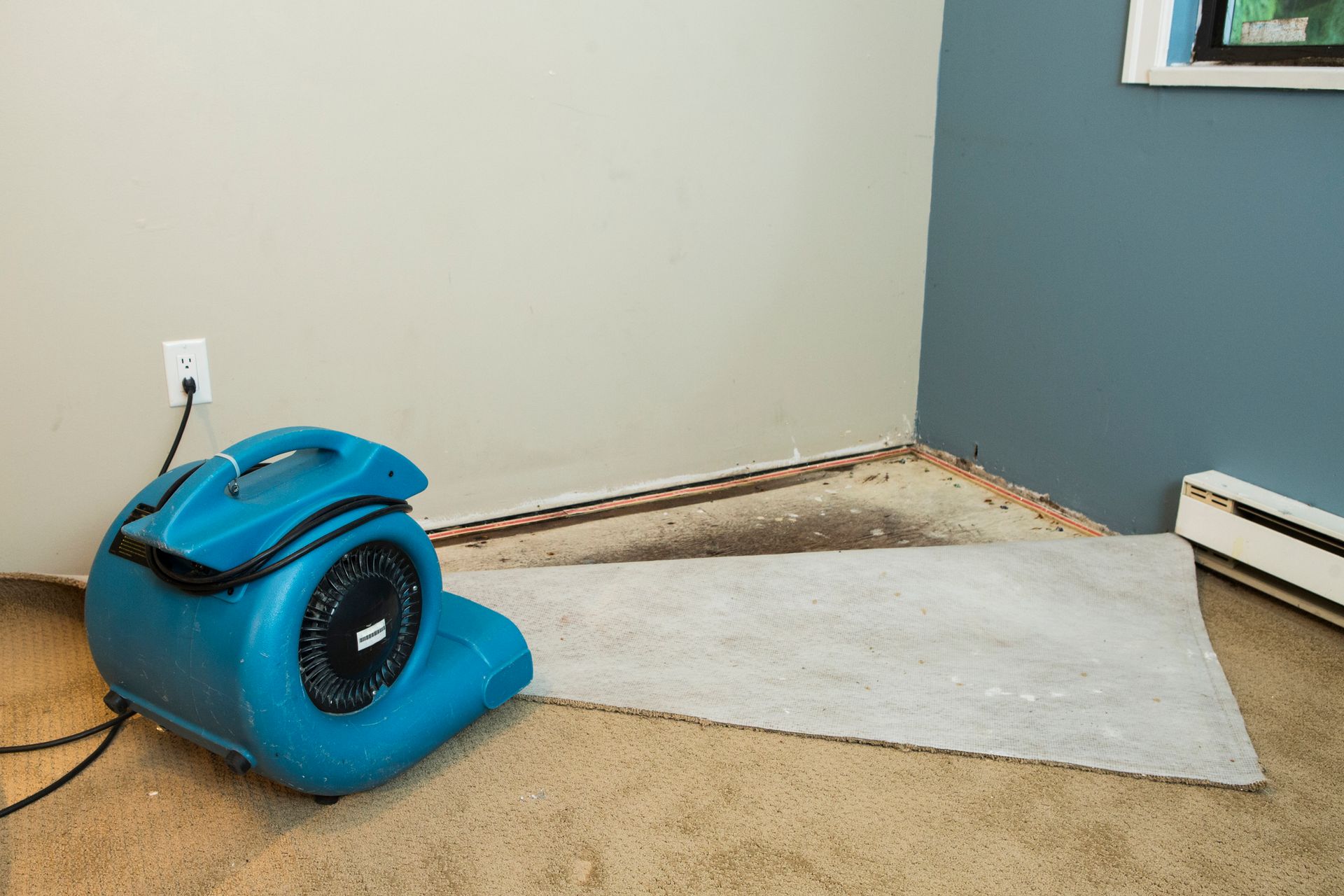
Simply opening a window or placing a household fan in the room may not be enough to address moisture trapped within building materials. Professional water damage restoration can include water extraction, dehumidification, air movement, and moisture monitoring to help ensure affected areas are actually drying.
Mold Can Grow Where You Can't See It
One reason mold after water damage can become such a frustrating problem is that it doesn't always develop in an obvious place. Water can travel underneath flooring, behind baseboards, into wall cavities, beneath carpeting, and through ceilings. Those hidden spaces can stay damp even while the visible portions of the room appear normal.
You might not see mold immediately. Instead, the first sign could be a persistent musty odor, staining or discoloration, or another indication that moisture remains somewhere it shouldn't.
That's why it's important to consider where the water traveled rather than focusing only on where you initially saw it.
Removing the Water Isn't the Same as Drying the Home
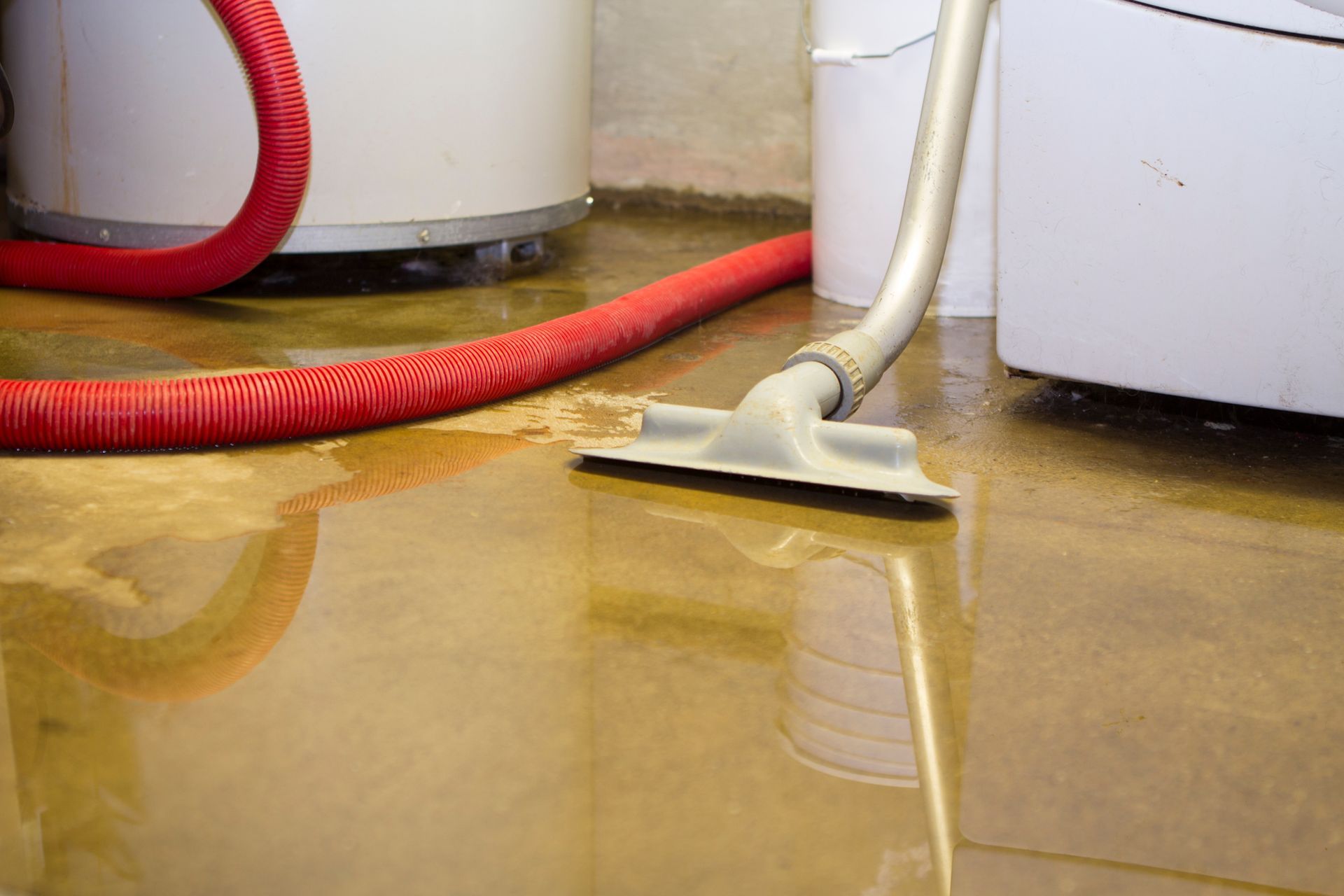
Imagine that a summer storm sends water across your basement floor. You remove the standing water, mop everything up, and the concrete looks dry the following morning. The problem may appear solved.
But what happened to the water that reached the bottom of the drywall? Did moisture get underneath the flooring? Are the baseboards dry? What about insulation inside the walls?
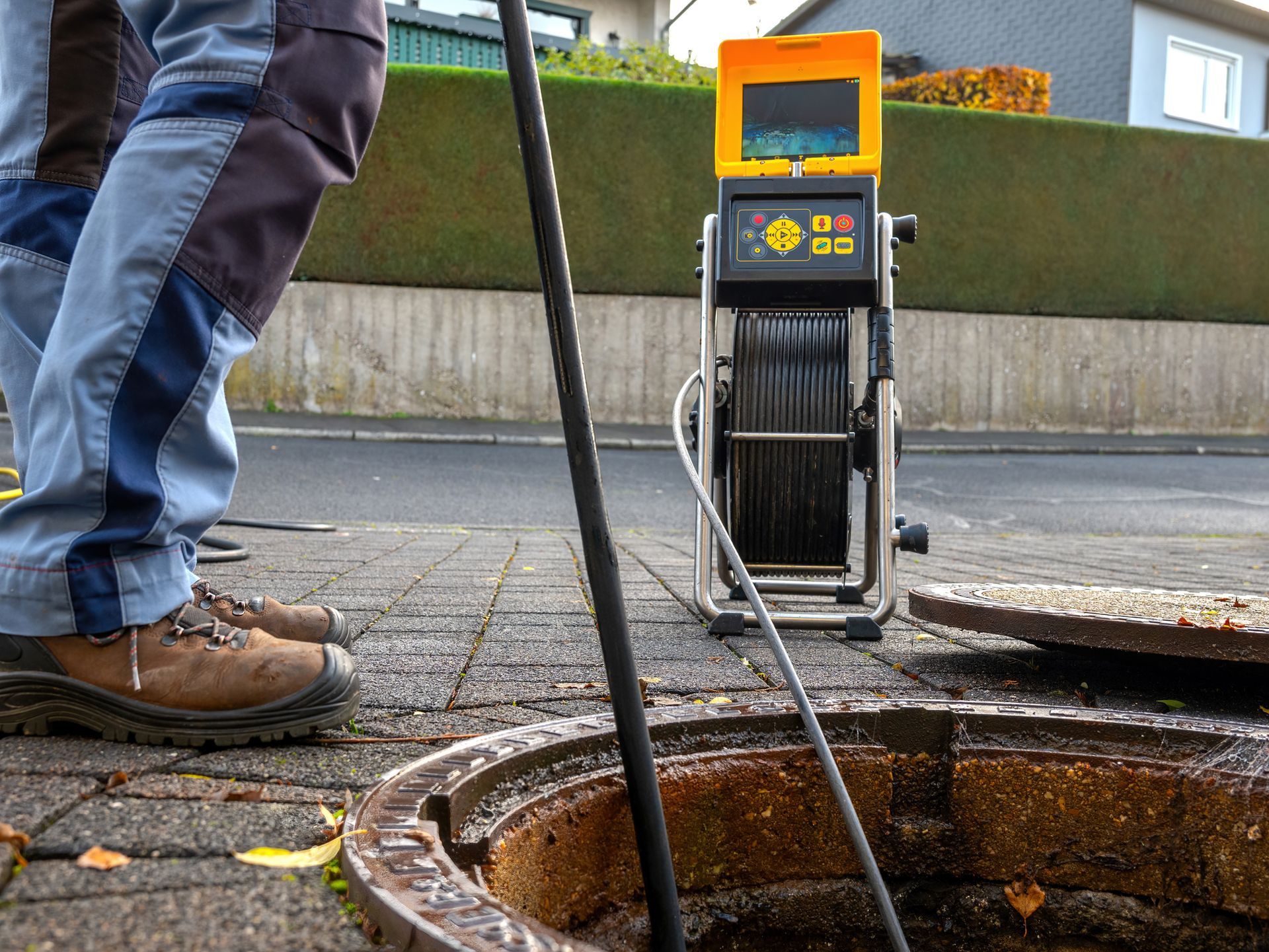
Successful water damage restoration means addressing both the water you can see and the moisture you can't. Professional moisture-detection equipment can help identify damp materials and areas that may otherwise be overlooked.
What If Mold Has Already Started Growing?
Finding mold doesn't mean you should simply clean the visible spot and assume the problem is gone. Mold growth is connected to moisture. If the underlying water or humidity problem remains, mold can return even after the visible growth has been cleaned.
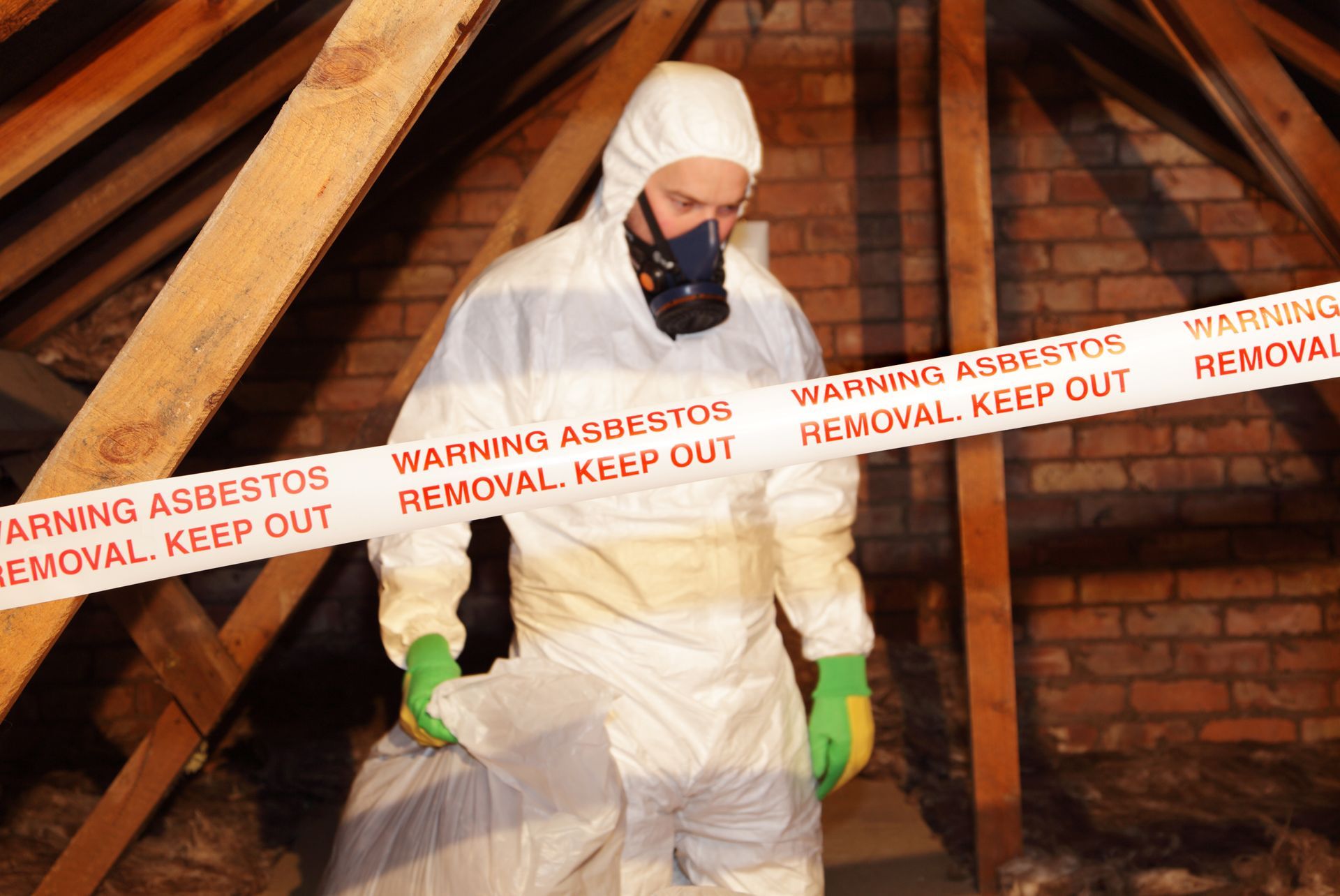
The affected materials also matter. Some porous materials that have become wet and moldy may need to be removed rather than cleaned. A restoration professional can evaluate the extent of the water and mold damage, identify affected materials, and determine the appropriate steps for drying and remediation.
Don't Wait for Mold to Become Obvious
After water damage, one of the best things you can do for your home is respond quickly. You don't need to wait until you see fuzzy growth spreading across a wall or notice a strong musty smell. If materials have been wet—particularly if they've remained damp for more than a day or two—it's worth determining whether moisture is still present.
At TOAD Construction & Restoration, we help Minnesota property owners address water damage and the mold problems that can follow. Our restoration team can assess affected areas, remove damaged materials when necessary, dry the property, and address mold growth so you can move forward with a safer, properly restored space.
Call TOAD After Water Damage in Stillwater
A summer leak, storm, or flood can cause damage quickly, and waiting too long to address lingering moisture can complicate restoration. If you're concerned about mold after water damage in Stillwater, MN, call TOAD Construction & Restoration today at
651-410-4086. We'll help you assess the extent of the damage, address any remaining moisture and mold, and take the necessary steps to restore your property