What Causes Sewer Line Backups During Heavy Summer Rain
Heavy summer storms are common throughout St, Paul, Minnesota, and while the rain can provide relief from hot temperatures, it can also create serious problems for homeowners. One issue that often catches people off guard is a sewer line backup. Few home emergencies are as unpleasant—or as costly—as sewage backing up into a basement or lower-level drain.
If you've ever wondered what causes sewer line backups during heavy rain in, understanding the common causes can help you protect your home and know when to call a professional.
How Heavy Rain Affects Sewer Systems
When a significant amount of rain falls in a short period, local drainage systems can become overwhelmed. Municipal sewer systems, storm drains, and residential sewer lines all work together to move water away from homes and businesses. However, during intense storms, the volume of water can exceed the system's capacity.
As pressure builds within the sewer system, wastewater may have nowhere to go except back toward residential properties. This can result in sewage backing up through floor drains, toilets, sinks, or basement plumbing fixtures.
Common Causes of Sewer Line Backups During Heavy Rain
Saturated Ground Around Sewer Lines
Minnesota summers often bring periods of heavy rainfall that leave the ground saturated. When soil becomes waterlogged, it can place additional pressure on underground sewer lines. Older or damaged pipes may develop cracks, shifts, or weak points that allow groundwater to infiltrate the system. The extra water entering the sewer line can reduce its ability to carry wastewater away from your home efficiently.
Tree Root Intrusion
Tree roots naturally seek moisture, making sewer lines an attractive target. Small cracks or joints in underground pipes can allow roots to enter and gradually expand over time. During periods of heavy rain, these partially blocked lines may struggle to handle increased water flow. The result can be a backup that suddenly appears during or shortly after a storm.
Existing Clogs Become Worse
Many sewer backups occur because a line already has a partial blockage. Grease buildup, debris, flushed wipes, paper products, or other obstructions may restrict normal flow without causing immediate problems. When heavy rain introduces additional water into the system, that reduced capacity becomes more noticeable. What was once a minor restriction can quickly become a complete blockage.
Aging or Damaged Sewer Pipes
Many Minnesota homes still rely on older sewer infrastructure. Pipes made from clay, cast iron, or other aging materials may deteriorate over time. Cracks, collapsed sections, corrosion, and misaligned pipe joints can all contribute to backups during storms. Heavy rainfall often exposes these hidden issues because the system is placed under greater stress.
Municipal Sewer System Overloads
In some areas, municipal sewer systems can become overwhelmed during severe weather events. When the public sewer system reaches capacity, wastewater may be forced back toward connected properties. Although homeowners cannot control the condition of the city sewer system, protective devices such as backwater valves can help reduce the risk of sewage entering the home.
Warning Signs of a Developing Sewer Backup
Homeowners should watch for signs that their sewer system may already be struggling, including:
- Slow-draining sinks, tubs, or showers
- Gurgling sounds from drains or toilets
- Frequent toilet clogs
- Sewage odors inside or outside the home
- Water is backing up in the basement floor drains
- Multiple plumbing fixtures experiencing drainage issues simultaneously
Addressing these warning signs early can often prevent more extensive damage later.
What to Do If a Sewer Backup Occurs
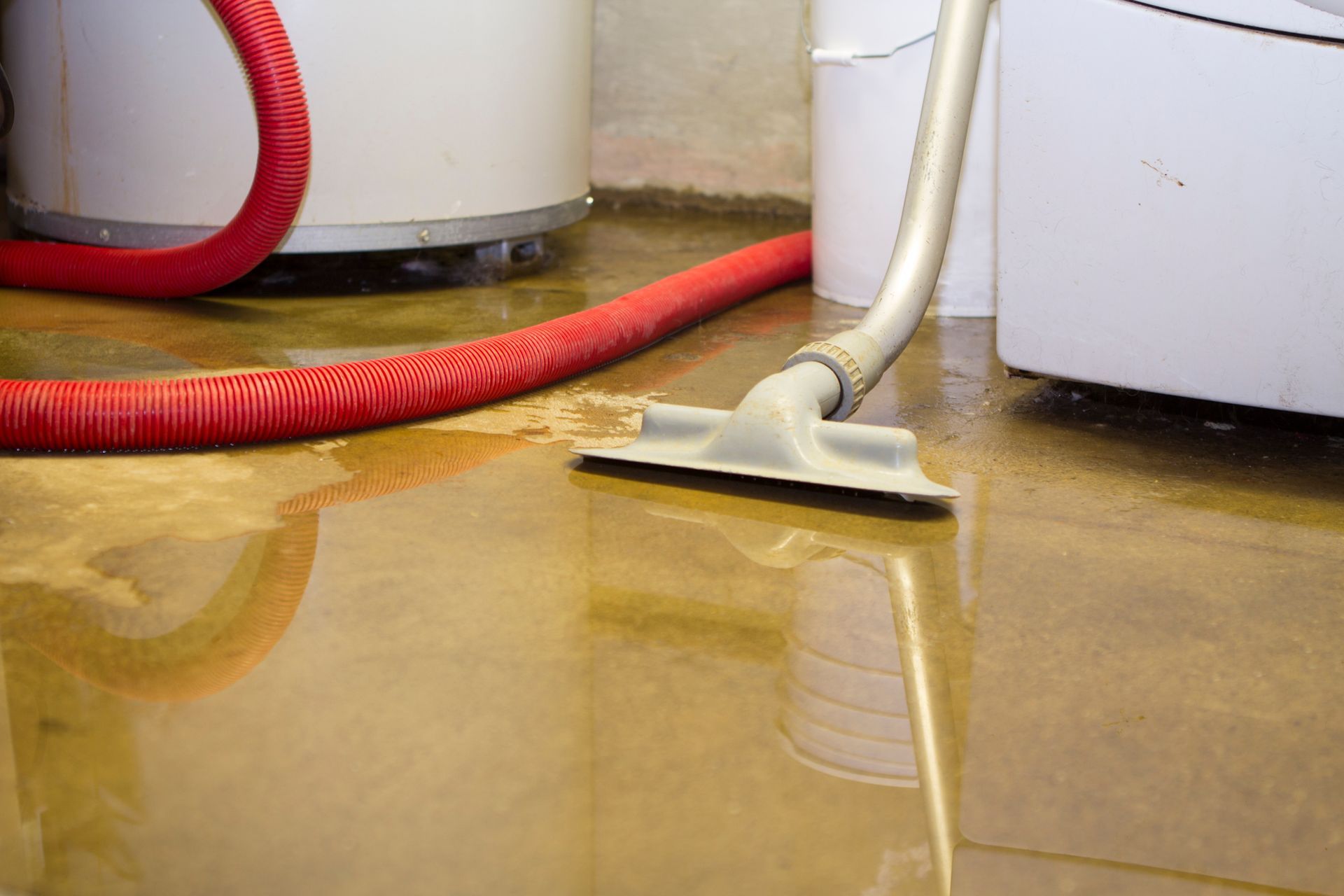
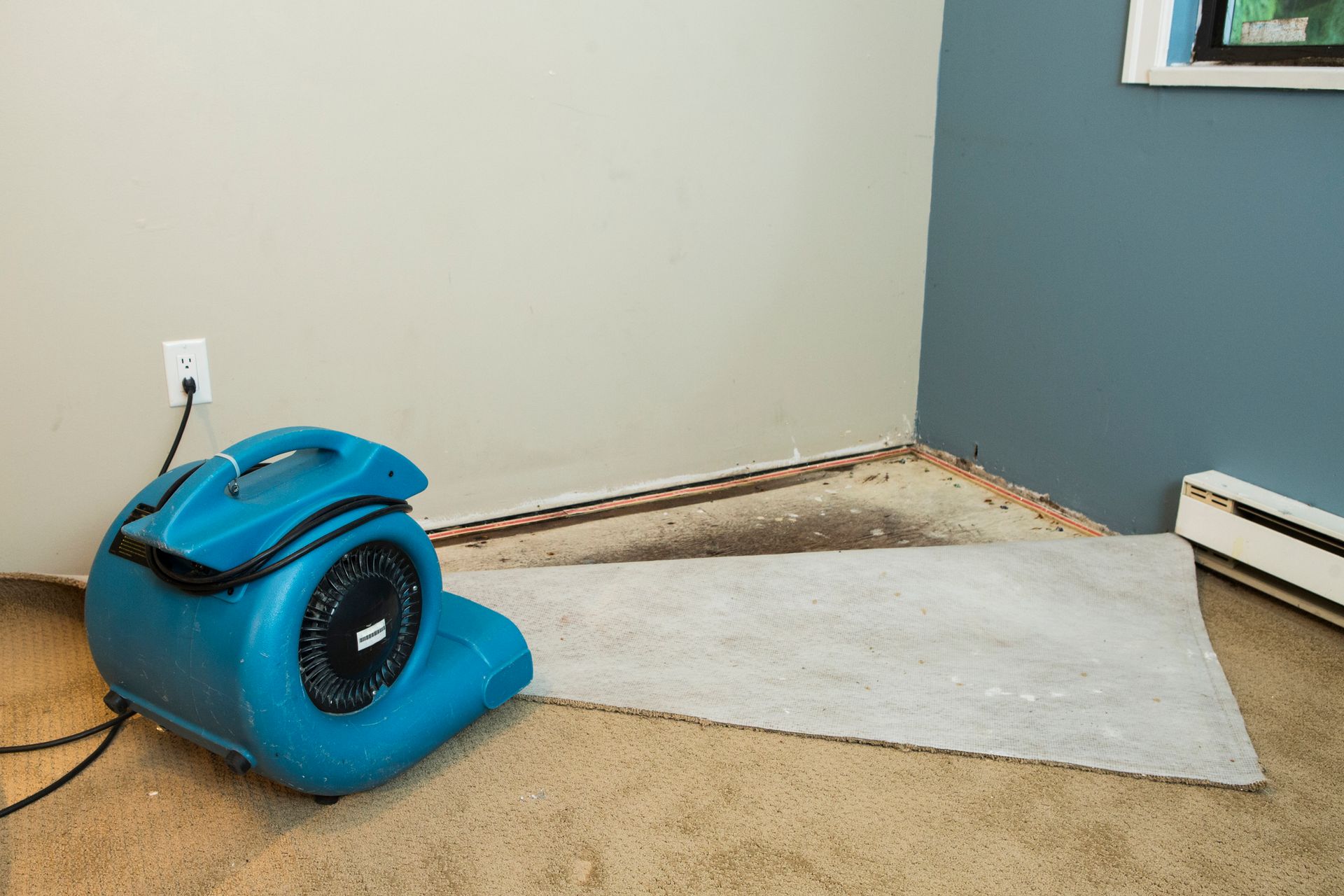
If sewage backs up into your home, avoid contact with contaminated water whenever possible. Sewage can contain bacteria, viruses, and other hazardous contaminants that pose health risks. Document any damage, avoid using plumbing fixtures until the issue is resolved, and contact a professional restoration company as soon as possible. Quick action can help limit structural damage, reduce contamination, and prevent mold growth.
Trust TOAD Construction & Restoration for Sewer Backup Cleanup
At TOAD Construction & Restoration, we understand how stressful sewer backups can be for Minnesota homeowners. Our experienced team provides fast, professional cleanup and restoration services to help you safely recover from water and sewage damage.
If you're dealing with a sewer backup or water damage after a heavy storm, call TOAD Construction & Restoration today at
651-410-4086. We'll assess the damage, develop a restoration plan, and help return your home to a safe and healthy condition as quickly as possible.