What to Do After Basement Flooding From a Minnesota Summer Storm
Bloomington, Minnesota summers often bring beautiful weather, but they can also bring intense thunderstorms capable of dumping inches of rain in a short amount of time. When the ground becomes saturated and storm drains struggle to keep up, many homeowners find themselves dealing with an unexpected problem: a flooded basement.
If you're facing basement flood cleanup after Minnesota summer storms, acting quickly can make all the difference. At TOAD Construction & Restoration, we've helped homeowners throughout Minnesota recover from water damage caused by heavy rain, flooding, and severe weather. Knowing what to do in the first few hours can help minimize damage and get your home back to normal sooner.
Stay Safe Before Entering the Basement
Your first priority should always be safety. Standing water can present several hazards, especially if electrical systems have been affected.
Before entering your basement:
- Turn off electricity to the affected area if it is safe to do so.
- Avoid walking through standing water if electrical hazards may be present.
- Wear waterproof boots and gloves.
- Stay away from contaminated floodwater that may contain sewage or debris.
If you're unsure whether it's safe to enter, wait until a professional can assess the situation.
Stop the Source of the Water
If the flooding is still occurring, try to determine where the water is coming from. Summer storms can cause flooding for several reasons, including:
- Heavy rainfall overwhelming foundation drainage
- Sump pump failures
- Window well leaks
- Foundation cracks
- Overflowing gutters and downspouts
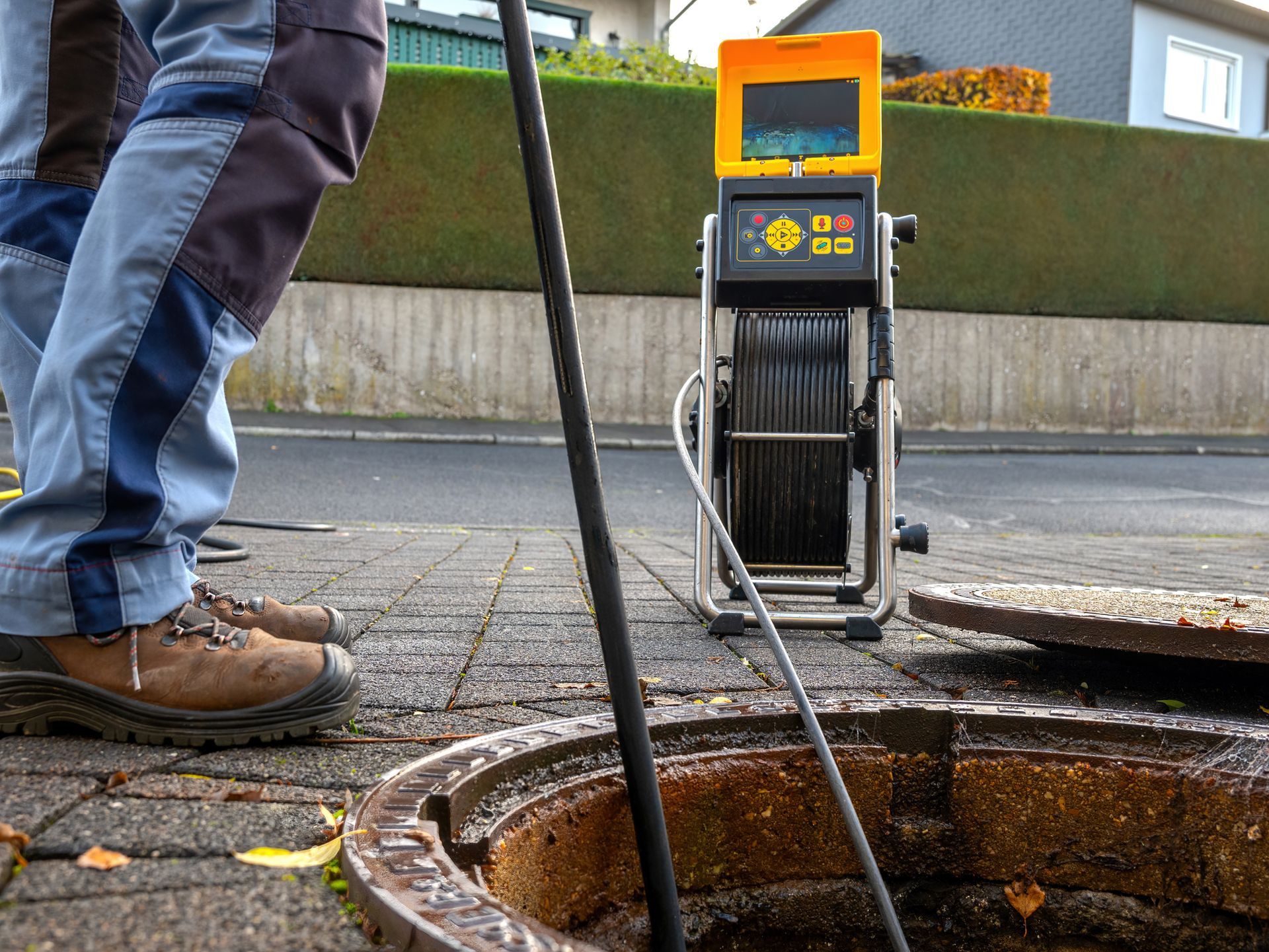
- Sewer backups during extreme rain events
Stopping additional water from entering the home helps limit further damage while cleanup begins.
Remove Standing Water as Quickly as Possible
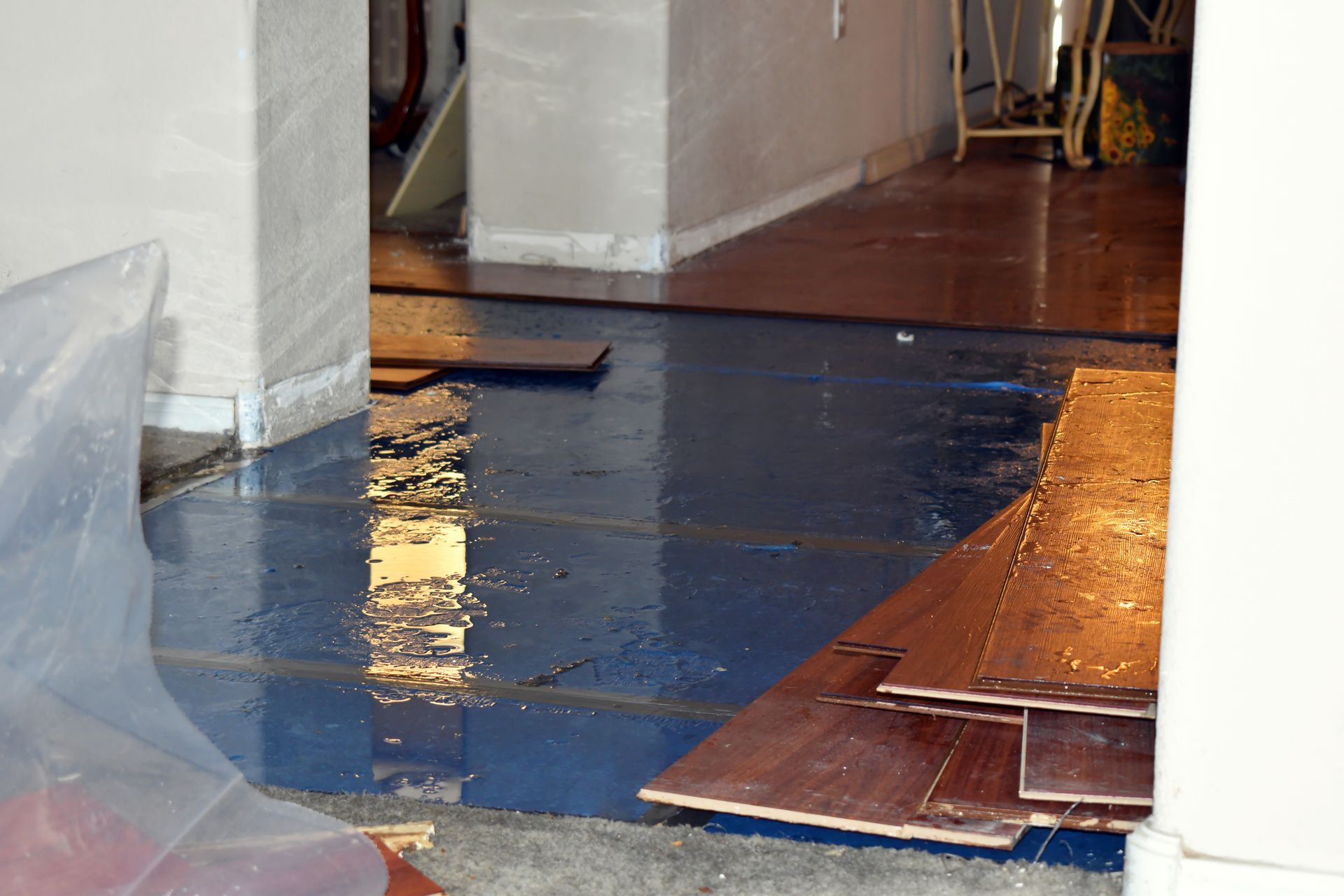
The longer water sits inside your basement, the more damage it can cause. Water quickly soaks into flooring, drywall, insulation, furniture, and personal belongings. Professional water extraction equipment removes standing water much faster than household tools alone. Fast removal also helps reduce the risk of mold growth, which can begin developing within 24 to 48 hours after water exposure.
Prompt basement flood cleanup after Minnesota summer storms helps protect both your home and your belongings.
Begin Drying the Entire Area
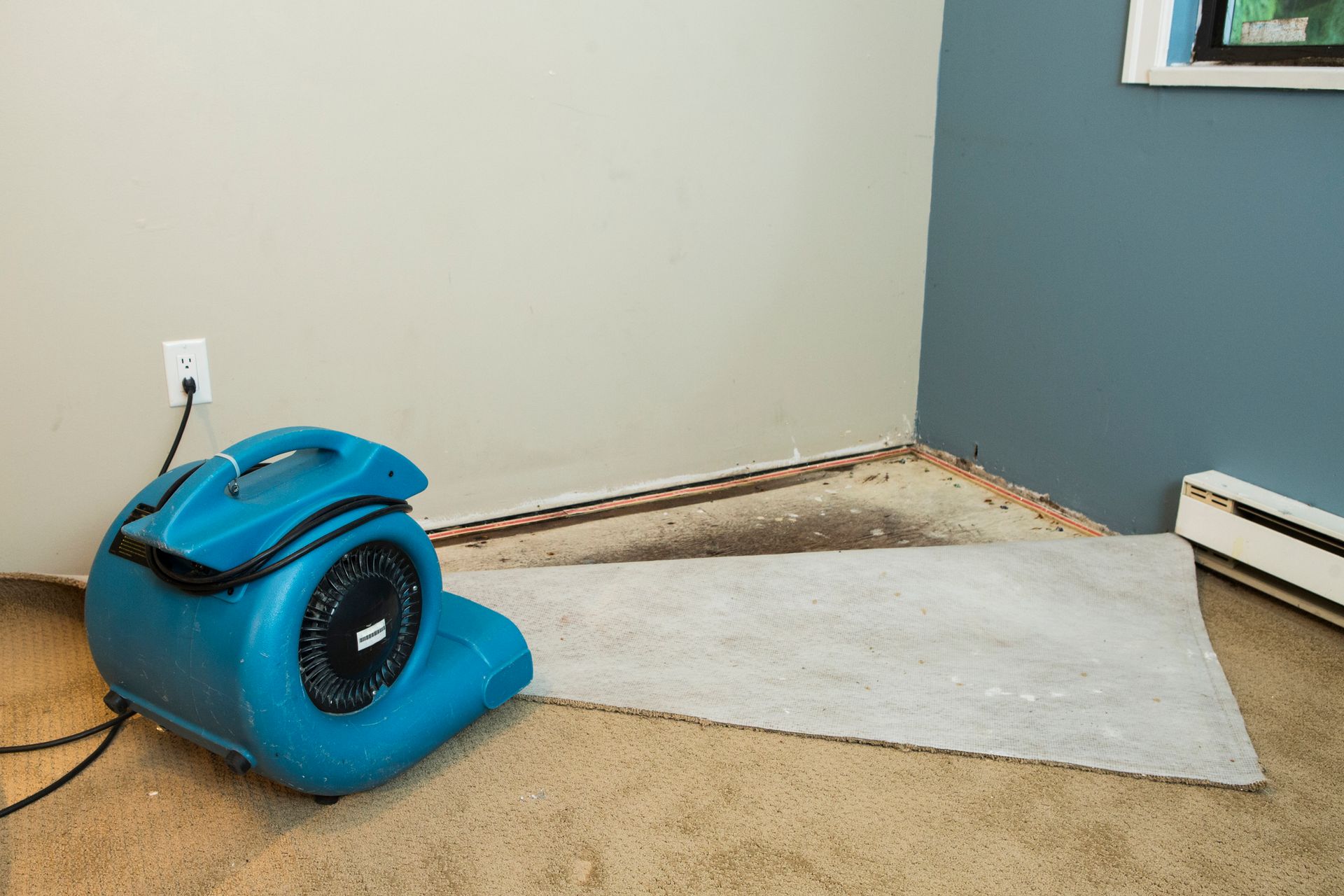
Even after visible water has been removed, moisture often remains hidden inside walls, flooring, and structural materials. Professional drying equipment, including commercial air movers and dehumidifiers, helps remove trapped moisture that homeowners may not even realize is there.
Simply drying the surface isn't enough. Hidden moisture can eventually lead to:
- Mold growth
- Wood rot
- Damaged drywall
- Lingering odors
- Structural deterioration
A complete drying process helps ensure your basement is truly restored.
Remove Water-Damaged Materials When Necessary
Not every material can be saved after flooding.
Depending on the severity of the water damage, restoration professionals may recommend removing:
- Wet carpeting and padding
- Damaged drywall
- Saturated insulation
- Warped flooring
- Water-damaged cabinetry
Removing materials that cannot be fully dried helps prevent long-term problems and prepares the space for reconstruction.
Watch for Signs of Mold
Minnesota's warm, humid summer weather creates ideal conditions for mold growth following a flood.
Keep an eye out for:
- Musty odors
- Dark spots on walls or ceilings
- Peeling paint
- Persistent dampness
- Increased allergy symptoms
Mold often develops in hidden areas behind walls or beneath flooring, making professional inspection especially important after significant flooding.
Document the Damage for Insurance
Before cleanup progresses too far, take photos and videos of the affected areas and damaged belongings.
Helpful documentation includes:
- Water levels
- Damaged flooring
- Furniture
- Appliances
- Personal property
- Structural damage
This information can be valuable when working with your homeowner's insurance provider during the claims process.
Don't Delay Professional Restoration
Many homeowners assume they can handle basement flooding themselves, but water damage often extends much farther than what can be seen. Professional restoration teams use specialized moisture detection equipment to locate hidden water, thoroughly dry the structure, and restore damaged areas before more serious issues develop.
At TOAD Construction & Restoration, we understand how overwhelming storm damage can be. Our experienced team responds quickly to provide water extraction, structural drying, flood cleanup, mold prevention, and complete reconstruction services when needed. Our goal is to minimize disruption, protect your property, and restore your peace of mind as quickly as possible.
Contact TOAD Construction & Restoration for Basement Flood Cleanup After Minnesota Summer Storms
When heavy summer storms leave your basement underwater, every minute counts. Fast action can reduce damage, prevent mold growth, and help you return your home to its pre-loss condition sooner.
If you need professional basement flood cleanup after Minnesota summer storms, call TOAD Construction & Restoration today at
651-410-4086. Our experienced restoration team is ready to respond quickly and provide the expert cleanup, drying, and reconstruction services Minnesota homeowners can count on.